How To Check If Coolant Is Leaking Full Library Videos & Photos Free Link
Activate Now how to check if coolant is leaking unrivaled internet streaming. Without any fees on our viewing hub. Experience fully in a endless array of hand-picked clips ready to stream in cinema-grade picture, perfect for passionate watching connoisseurs. With trending videos, you’ll always be informed. Seek out how to check if coolant is leaking themed streaming in sharp visuals for a truly engrossing experience. Hop on board our platform today to get access to special deluxe content with at no cost, no strings attached. Appreciate periodic new media and discover a universe of rare creative works tailored for prime media devotees. You won't want to miss never-before-seen footage—instant download available! Indulge in the finest how to check if coolant is leaking specialized creator content with exquisite resolution and special choices.
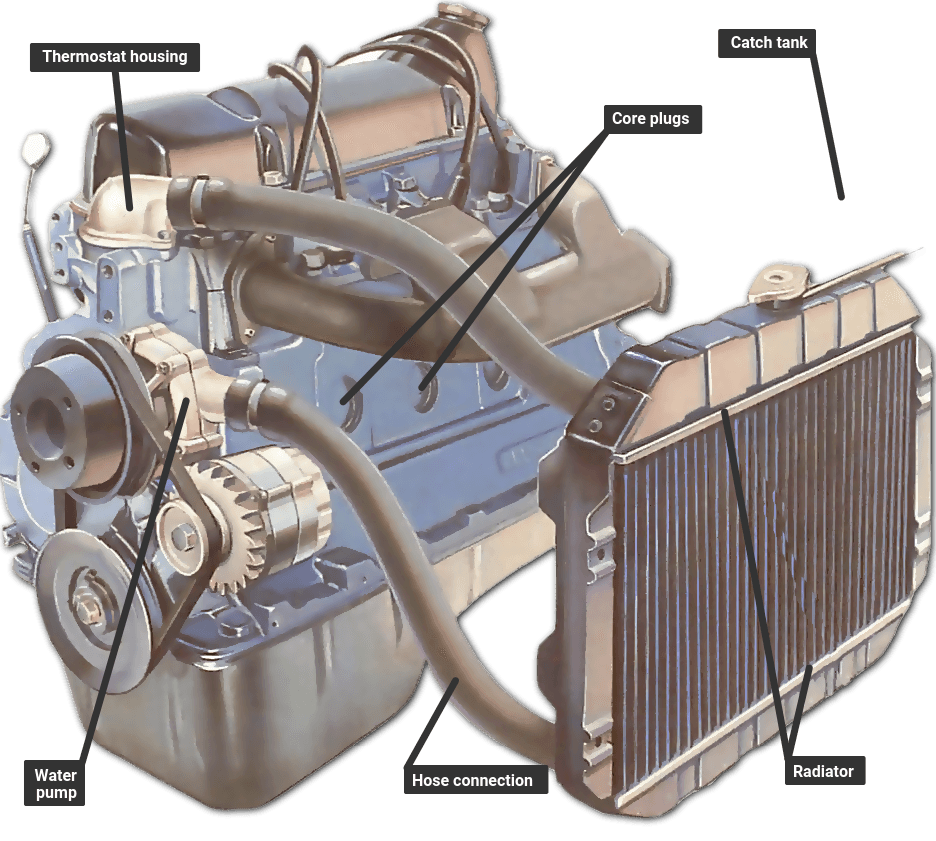
Common reasons for a coolant leak some of the most common reasons to see coolant under the car are a leaking radiator hose, a bad water pump or a loose radiator hose clamp Rather than running the risk of suffering a more catastrophic failure that could leave. Leaks can also be caused by a bad thermostat housing, a worn intake manifold gasket, a bad heater core, a damaged radiator or cap, or a blown head gasket.
Checking for coolant leaks | How a Car Works
Understanding coolant leaks coolant is an essential fluid A radiator leak is a fairly serious problem to have with any vehicle That is, if you do not have the right amount of fluid, you are asking for serious trouble that may include substantial engine damage
As such, you should routinely check your car's coolant levels
If you regularly find that you are adding new fluid to your system, there is a good chance you have a coolant leak A consistent drop in coolant levels may indicate a leak, and driving with low coolant levels can lead to engine overheating and potential failure To check your coolant level, ensure your engine is cool and remove the radiator cap or coolant tank cap to inspect the fluid level. A coolant leak could be as cheap and simple to repair as tightening a loose clamp on one of the system's several hoses—something you can do yourself.
Discover how to spot signs of coolant leaks in your engine before they lead to costly repairs This comprehensive guide covers key symptoms like unusual smells and color changes in oil, visible coolant puddles, and fluctuations in engine temperature Learn essential testing methods, including pressure and dye testing, while understanding the critical importance of addressing leaks promptly to. Coolant leak signs & fixes a coolant leak appears as a colorful residue or stain near the radiator cap, hoses, or water pump
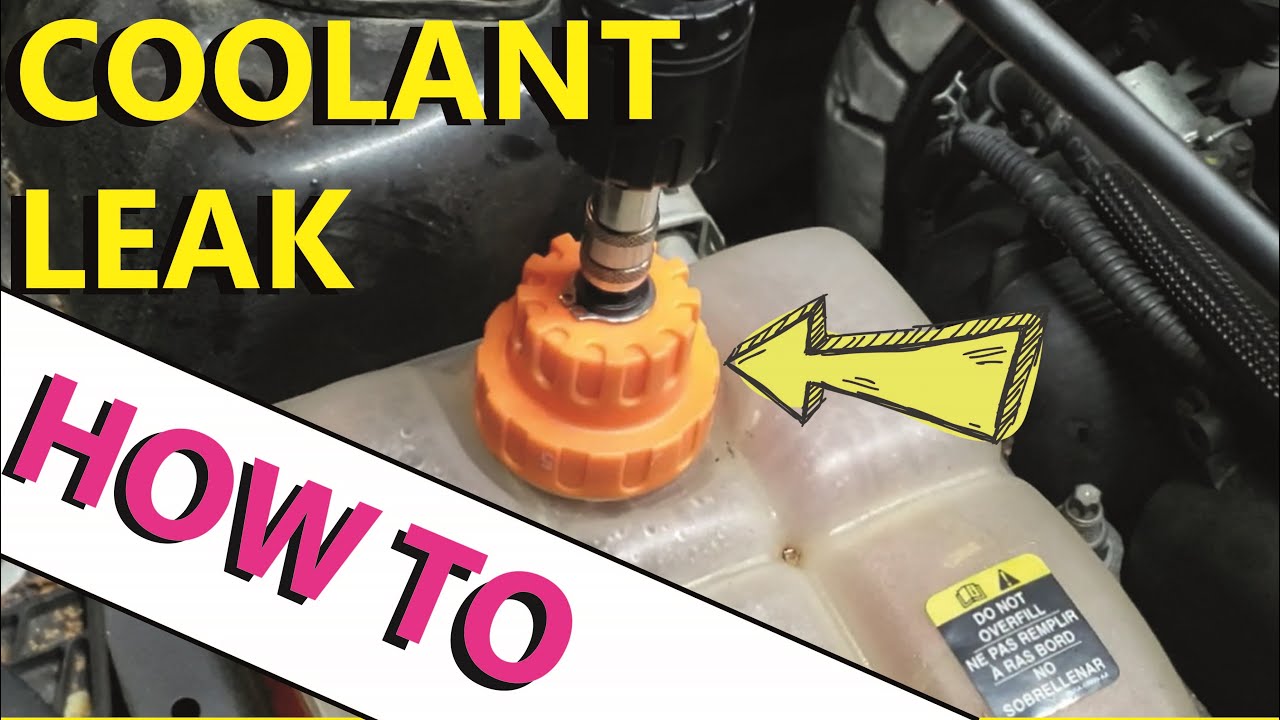
Fixes can range from simple diys, like replacing the radiator or head gasket caps or using epoxy resin to seal minor cracks, to major engine overhauls that require a mechanic.
One of these fluids, coolant, plays a crucial role in regulating engine temperature and preventing overheating Coolant leaks, though often subtle at first, can quickly escalate into major engine damage if left unchecked Recognizing the signs of a coolant leak early on is essential for maintaining your vehicle's health and longevity. A coolant leak can be a serious problem that can lead to engine damage if not addressed promptly
Fortunately, there are several ways to check for a coolant leak and identify the source of the problem This comprehensive guide will walk you through the steps of how to check coolant leak, empowering you to diagnose and resolve the issue efficiently. A coolant leak may start small, but if ignored, it can lead to major engine damage and costly repairs By being vigilant for the signs of a coolant leak and addressing them early, you can avoid overheating and keep your engine running smoothly.